
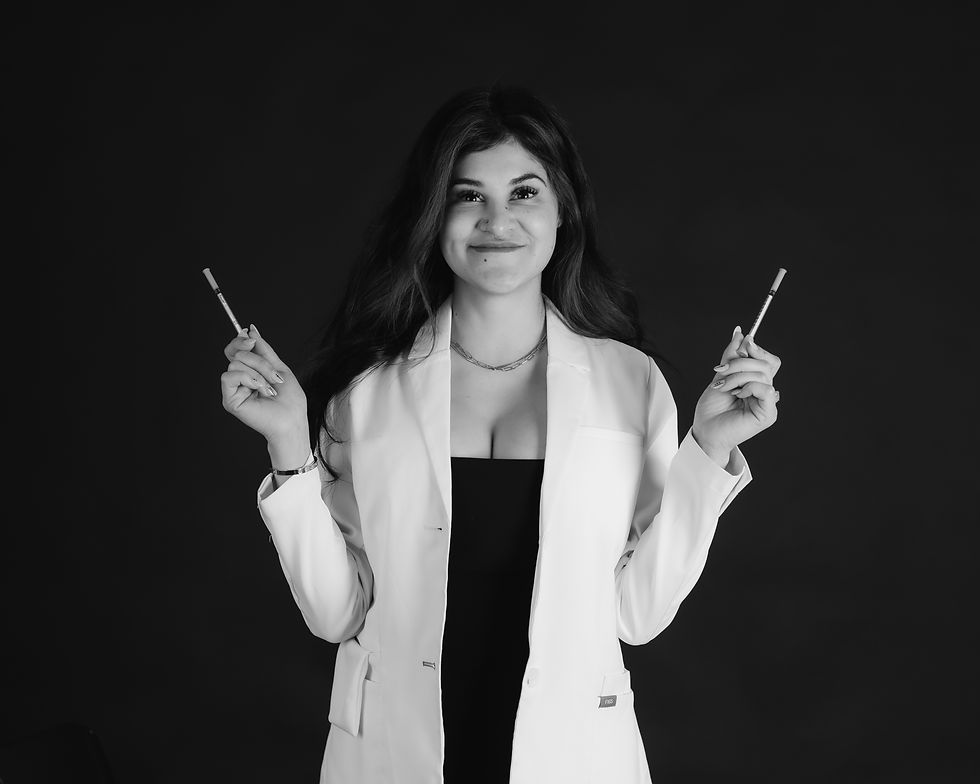


The Ethics of Aesthetics: Why a "Less is More" Philosophy Leads to Greater Self-Confidence in Salem, Oregon
The rapidly evolving field of medical aesthetics has reached a critical juncture where technological capability must be balanced with clinical restraint. As the accessibility of neurotoxins and dermal fillers increases, the industry faces a significant challenge: the normalization of over-treatment. For patients at Divine Wellness & Aesthetics in Salem, Oregon, we advocate for a return to the foundational principles of the ethics of aesthetics. This philosophical framework posits that the goal of aesthetic medicine should not be the total erasure of age or the homogenization of facial features, but rather the subtle refinement of the individual’s natural anatomy. By adopting a "less is more" philosophy, we ensure that the results of clinical interventions support, rather than distort, the patient’s authentic self-confidence.
In Salem, Oregon, a community that values authenticity and the natural beauty of the Willamette Valley, there is a growing demand for a more conservative approach to cosmetic enhancement. Patients are increasingly wary of the "frozen" or "over-filled" look that has become prevalent in digital media. Clinical ethics dictate that a practitioner has a responsibility to act in the best interest of the patient’s long-term psychological and physical health. This means knowing when to say "no" and prioritizing the preservation of facial harmony over the volume of product used.
The Clinical Definition of the "Less is More" Philosophy
A conservative approach to aesthetics is rooted in the understanding of the Golden Ratio and facial symmetry. The human brain is highly sensitive to facial proportions; even a millimeter of over-correction in the lips or cheeks can trigger a sense of "uncanny valley," where the face looks recognizable but biologically "incorrect." The "less is more" philosophy focuses on micro-adjustments that work with the body’s existing structure.
Incremental Enhancements: Rather than attempting to achieve a total transformation in a single session, we favor a phased approach. This allows the tissue to integrate the product and gives the patient time to adjust to their refreshed appearance.
Preservation of Dynamic Movement: True beauty is found in motion. Clinical ethics in aesthetics emphasize the preservation of expressive capacity. A successful neurotoxin treatment should soften lines of tension without stripping the patient of their ability to communicate emotion.
Negative Space Awareness: In art and aesthetics, the space between features is as important as the features themselves. Over-filling one area often creates a "shadow" or a distortion in another, leading to a cascade of corrective treatments that move the patient further away from their natural identity.
Psychological Impact: Self-Confidence vs. Dysmorphia
The primary objective of any aesthetic treatment should be the enhancement of the patient’s self-confidence. However, there is a delicate line between a healthy desire for self-improvement and the development of body dysmorphic tendencies. The ethics of aesthetics require a clinician to assess the psychological motivation behind a patient’s request.
When a patient undergoes subtle, natural-looking treatments, the brain processes the change as a positive "refresh." This leads to a genuine boost in dopamine and self-assurance.
Conversely, when treatments are excessive, the patient may experience a disconnect between their reflection and their internal sense of self. This "alienation from the mirror" can actually erode self-confidence, leading to a cycle of seeking more treatments to fix a problem that was caused by over-treatment in the first place. At our Salem wellness medspa, we prioritize the mental well-being of our community by ensuring that every procedure reinforces a healthy and realistic self-image.
The Biological Risk of Over-Treatment
Beyond the psychological implications, there are significant physical risks associated with a "more is more" approach. The skin and underlying tissues have a finite capacity to support foreign materials.
Filler Fatigue: Over-filling the face over several years can lead to "filler fatigue," where the weight of the product actually stretches the skin and soft tissues, leading to more sagging in the long run.
Vascular Compromise: While rare, the risk of vascular complications increases when large volumes of product are placed into high-pressure areas. A conservative approach inherently reduces these risks.
Lymphatic Obstruction: Excessive filler in the mid-face can sometimes interfere with natural lymphatic drainage, leading to persistent puffiness or "malar edema" that gives the face a perpetually tired look.
Defining Ethical Boundaries in the Salem Community
As practitioners in Salem, Oregon, we hold ourselves to a high standard of transparency and honesty. The ethics of aesthetics involve a collaborative dialogue where we manage patient expectations through education. It is our duty to explain the biological limits of certain procedures and to offer alternatives that may be more appropriate for the patient’s age and skin quality.
For example, if a patient requests more filler to address skin laxity, an ethical practitioner might suggest a collagen-stimulating treatment or a skin-tightening procedure instead. Using filler as a "bandage" for a lack of skin elasticity is a common cause of the over-inflated look. By treating the root cause of the concern, we achieve a more sustainable and natural-looking result that preserves the integrity of the Salem patient's features.
The Role of the "Natural-Looking" Result
A "natural-looking" result is the ultimate expression of aesthetic skill. It requires a deep understanding of light, shadow, and human anatomy. When we apply the "less is more" philosophy, we are essentially performing "invisible" work. The highest compliment an aesthetic patient can receive is not "Who did your filler?" but "You look so rested" or "Did you change your hair?"
This level of subtlety is what builds long-term trust within the Salem, Oregon community. Patients feel safe knowing they will not leave the clinic looking like a different person. They understand that their curated aesthetic identity is being protected. This conservative approach also ensures that as the patient ages, their aesthetic treatments can be adjusted to reflect their changing anatomy, avoiding the "frozen in time" look that often appears jarring as the decades pass.
Preventing "Aesthetic Blindness"
Aesthetic blindness occurs when both the patient and the practitioner become accustomed to a high volume of filler, losing their baseline for what looks natural. This is a significant ethical concern in modern medspas. To prevent this, we maintain rigorous documentation and photography of our patients in Salem.
By looking back at photos from two or three years ago, we can objectively assess whether the patient’s current volume is appropriate. This "anchor" to the original anatomy is essential for maintaining the ethics of aesthetics. It allows us to determine when it might be time to dissolve old filler or pause neurotoxin treatments to allow the muscles to regain their natural tone. This commitment to the patient’s long-term appearance is a hallmark of Divine Wellness & Aesthetics.
The Divine Wellness & Aesthetics Ethical Charter
At Divine Wellness & Aesthetics, our clinical philosophy is built on three pillars: Integrity, Subtlety, and Safety. We believe that every resident of Salem deserves to feel confident in their skin without feeling pressured to conform to unrealistic beauty standards.
Integrity: We provide honest assessments, even when it means recommending fewer units or smaller volumes than requested.
Subtlety: We aim for results that enhance the patient’s unique character rather than masking it.
Safety: We prioritize the most advanced, evidence-based techniques to minimize risk and maximize health.
We recognize that medical aesthetics is a powerful tool for transformation, but like any powerful tool, it must be used with precision and respect for the biological system. By focusing on the ethics of aesthetics, we provide our patients with a path to self-confidence that is sustainable, healthy, and deeply authentic.
Conclusion: Reclaiming Authenticity in Beauty
True self-confidence does not come from perfection; it comes from a sense of alignment between how we feel and how we appear to the world. The "less is more" philosophy is not about doing the bare minimum; it is about doing exactly what is required to achieve harmony. In Salem, Oregon, we invite you to experience an approach to beauty that is rooted in clinical ethics and a profound respect for your individual identity. By choosing a conservative path, you are protecting your future self and ensuring that your aesthetic journey is one of empowerment and grace. At Divine Wellness & Aesthetics, we are proud to be your partners in this journey, helping you shine with a radiance that is unmistakably your own.
Professional Consultation for Natural Aesthetics
Are you seeking an aesthetic partner who values natural results as much as you do? At Divine Wellness & Aesthetics, we specialize in the ethics of aesthetics, providing Salem, Oregon residents with conservative treatments that enhance self-confidence without compromise. Our clinical team is dedicated to helping you achieve a refreshed, authentic look that stands the test of time.
Contact Divine Wellness & Aesthetics today to schedule a professional consultation. Let us help you discover the power of the "less is more" philosophy and develop a personalized plan that honors your unique beauty.
The procedure initiates the change, but the recovery protocol determines the quality of the transformation.



Comments